
The Bushbuckridge tourism corridor sits at the heart of the Greater Kruger and Kruger Lowveld. But are we doing enough to introduce visitors to the people, culture and experiences beyond the park gates?
For many international visitors, the journey through Bushbuckridge is part of the route to some of Africa’s most famous safari destinations — from the Orpen Gate corridor to the Hazyview–Mkhuhlu route towards Skukuza Gate.
But how often do those visitors actually stop and experience the communities they are travelling through?
This is a question our tourism industry needs to confront.
There is often a perception that taking tourists into surrounding villages is too risky or that visitors would rather remain within the safety of lodges and game reserves. Safety must always be taken seriously, but perhaps we are allowing perception to become a barrier to opportunity.
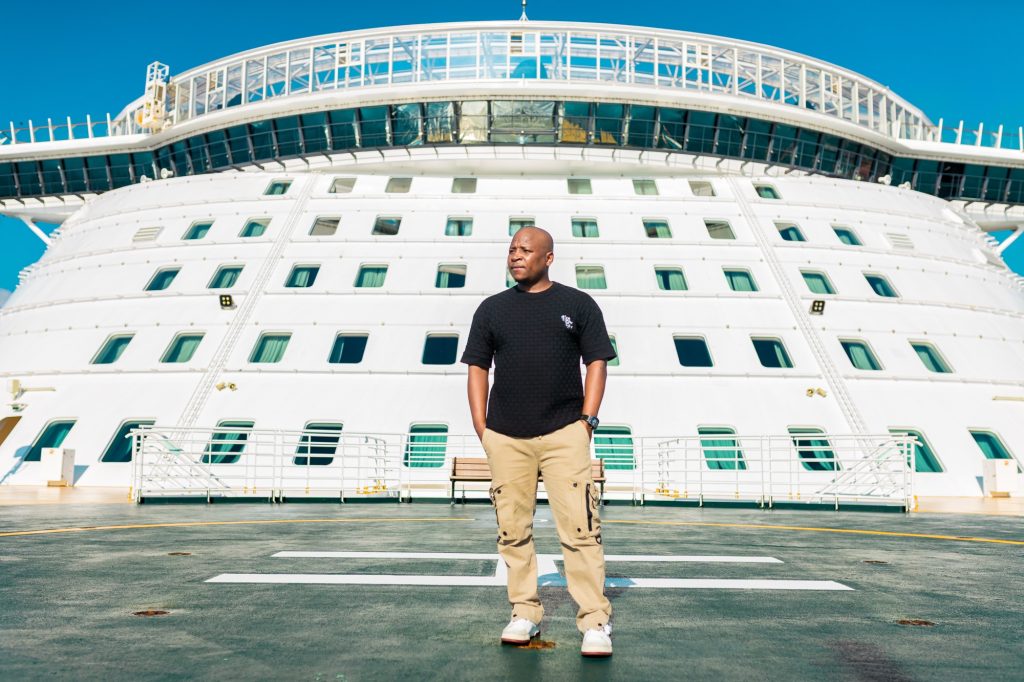
My experience working on international cruise ships gave me a different perspective.
Cruise itineraries take thousands of visitors to destinations such as Honduras, Cozumel and Costa Maya in Mexico — places that may carry very different perceptions of safety, poverty and development. Yet tourists go because these destinations offer something they cannot experience at home.
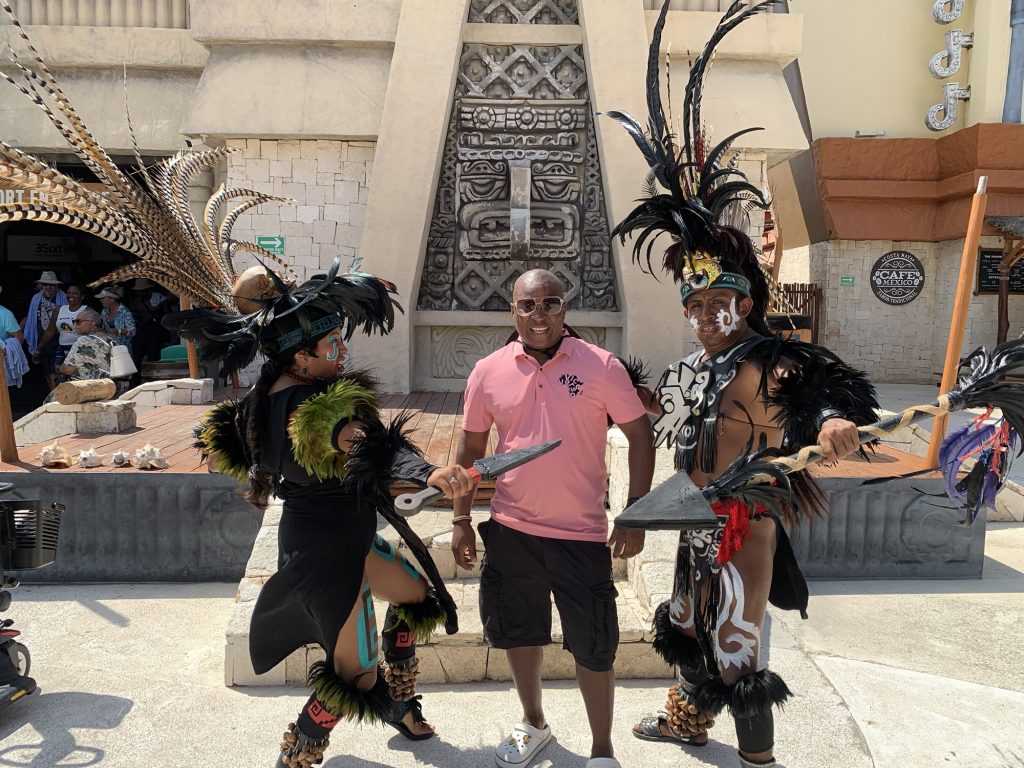
Voladores de Papantla (Papantla Flyers), from Mexico.
Culture.
They want to meet people, taste local food, hear music, see traditions and understand how communities live.
Bushbuckridge has exactly that.
The experience is already here
Our villages are not simply places tourists drive through on their way to Kruger.
They are part of the Greater Kruger and Kruger Lowveld story.
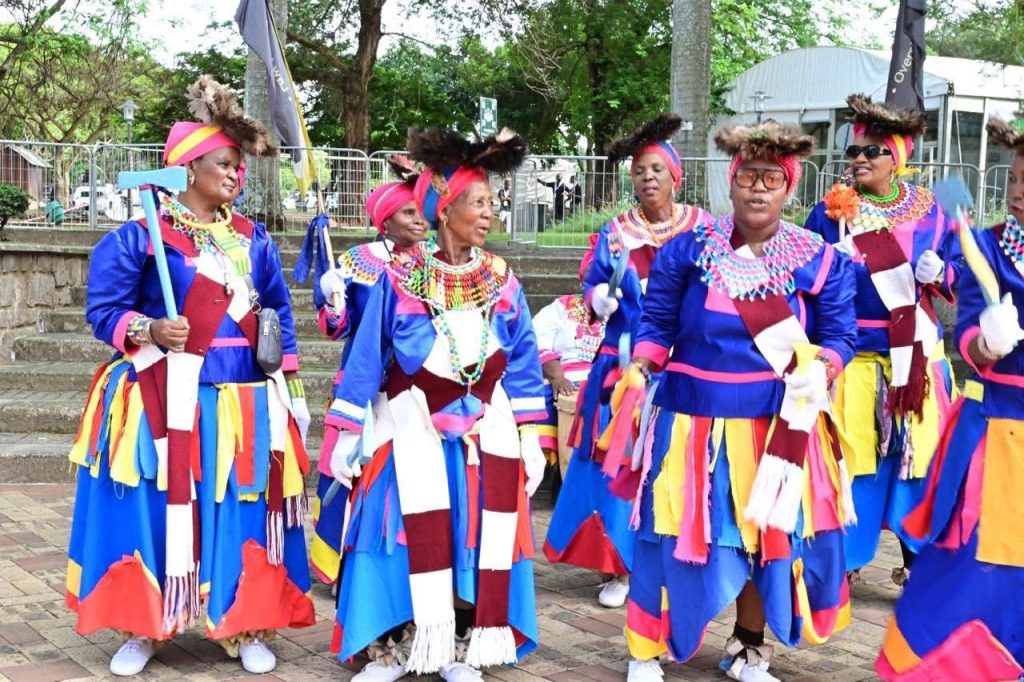
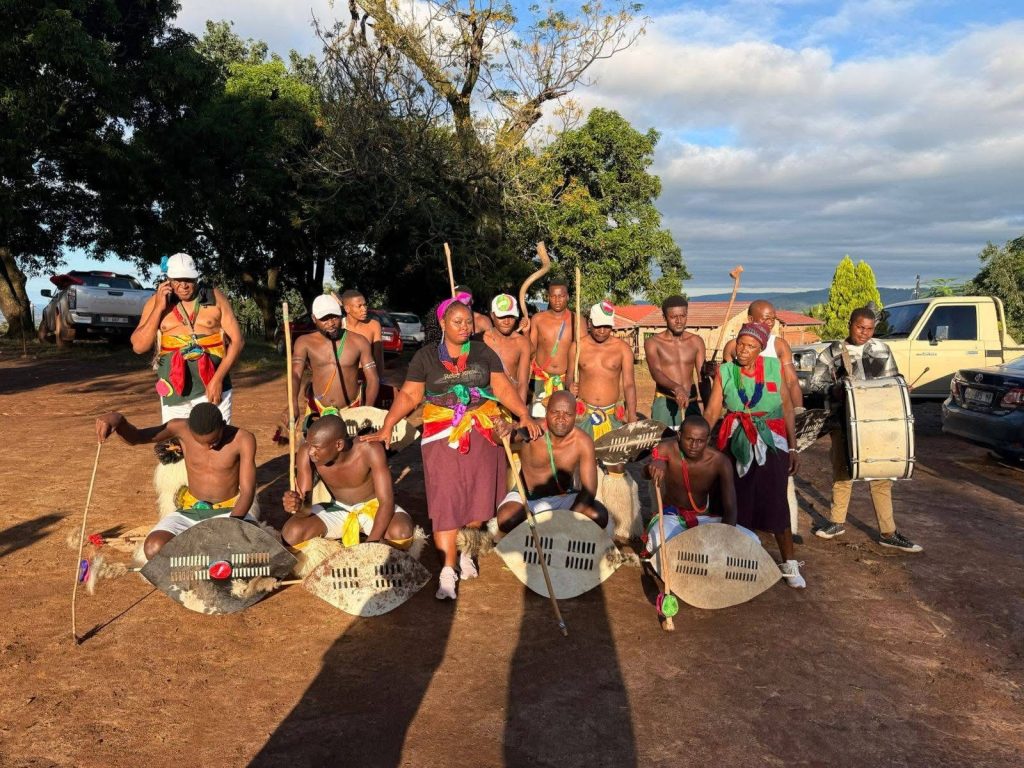
The Mapulana, Tsonga and Swati cultures, traditional food, music, dance, crafts and storytelling can all contribute to a richer visitor experience.
Consider Dikoma season, which takes place annually during August and September. It is a living cultural experience that could, with the right approach and respect for the communities involved, become an important part of the region’s heritage tourism offering.
Then there is Muchongolo, with traditional events taking place on Sundays each month. These are not performances manufactured for tourists. They are living expressions of culture.
That authenticity is precisely what many international travellers are looking for.
The challenge is not whether Bushbuckridge has anything to offer.
The challenge is whether we know how to package, communicate and safely connect those experiences with the tourists already travelling through the region.
Tourism education must become part of the conversation
This is where tourism education becomes important.
Tour guides, hosts, communities and tourism businesses need a deeper understanding of what today’s traveller is looking for — and how cultural experiences can be incorporated responsibly into an itinerary.
Young people also have an important role to play.
Social media has changed the way people discover destinations. A young photographer, filmmaker or content creator from Acornhoek, Mkhuhlu or Hazyview can show an international audience an experience that traditional tourism marketing may never reach.
Imagine a visitor discovering Dikoma through a compelling video, seeing Muchongolo on social media, and then asking their lodge or tour operator: “Can we experience this while we are here?”
That is the opportunity.
We should not be selling fear
Bushbuckridge should not be marketed as a place tourists must avoid.
It should be presented as a place they have yet to discover.
Of course, community tourism needs proper planning — trained local guides, safety protocols, transport, professional hosts and experiences that respect the communities and their traditions.
But avoiding the villages altogether means missing an enormous opportunity to create sustainable economic activity.
A tourist who attends a cultural event, buys from a local craft producer, hires a local guide, eats a traditional meal, books local transport or stays an additional night is contributing to an economy that extends beyond the boundaries of the game reserve.
That is what sustainable tourism should look like.
The Kruger brings the visitors.
Bushbuckridge has to give them another reason to stay.
The future of the Greater Kruger cannot only be about what happens behind the fences.
It must also be about the people, culture and stories that surround them.
Because sometimes the most valuable tourism experience is not another sighting of the Big Five.
It is meeting the people who call this extraordinary landscape home.