How the Soweto Derby continues to unite generations — and drive South Africa’s hospitality economy
By Sydney Waga Seoke
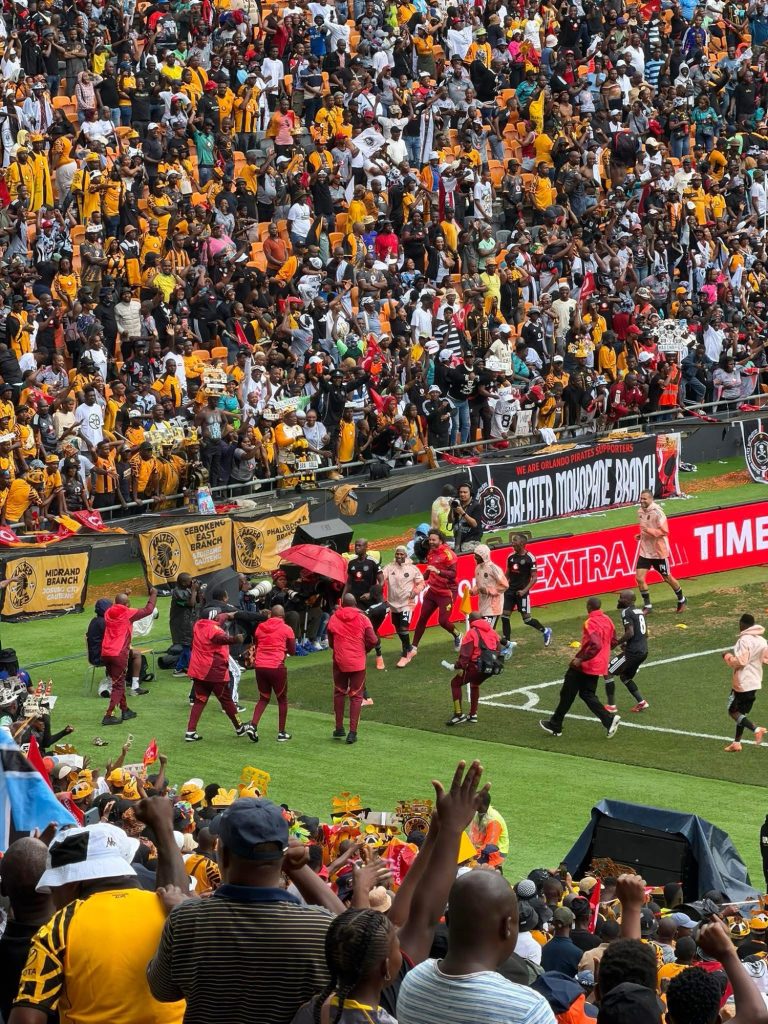
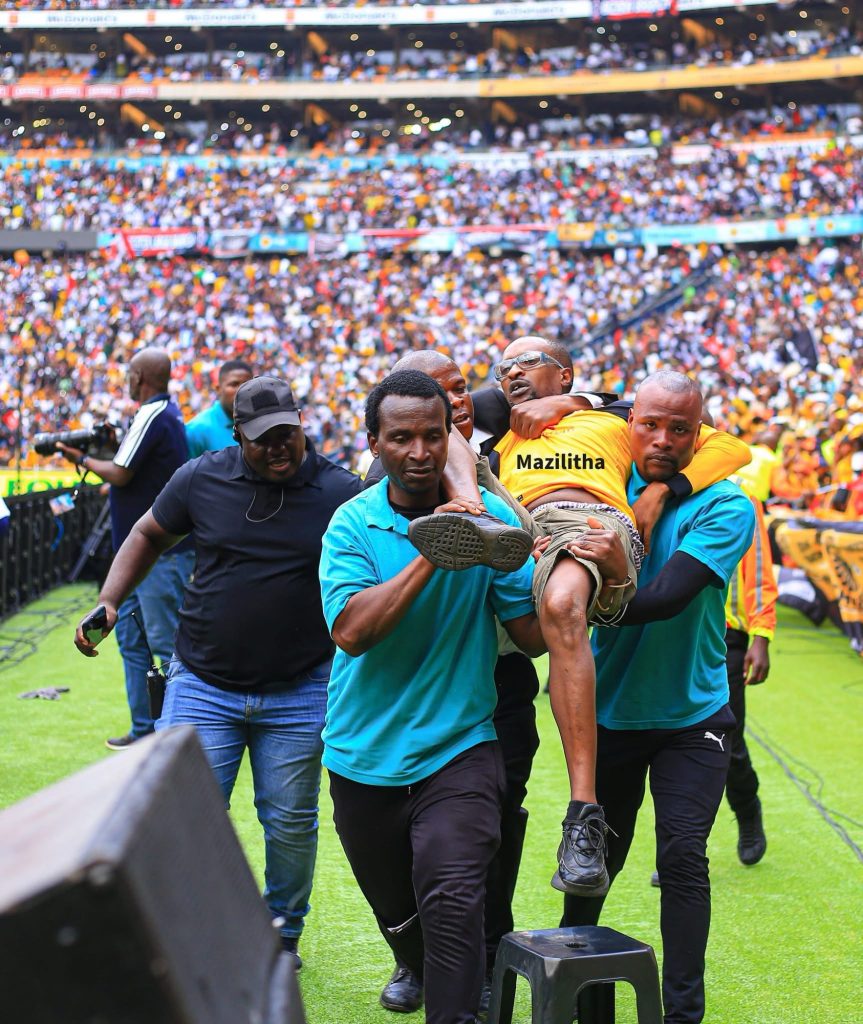
This past weekend, the Soweto Derby once again proved that it is far bigger than 90 minutes of football.
When Kaizer Chiefs and Orlando Pirates meet, the country pauses. While thousands packed the iconic FNB Stadium in Johannesburg, millions more gathered in homes, taverns and sports bars nationwide.
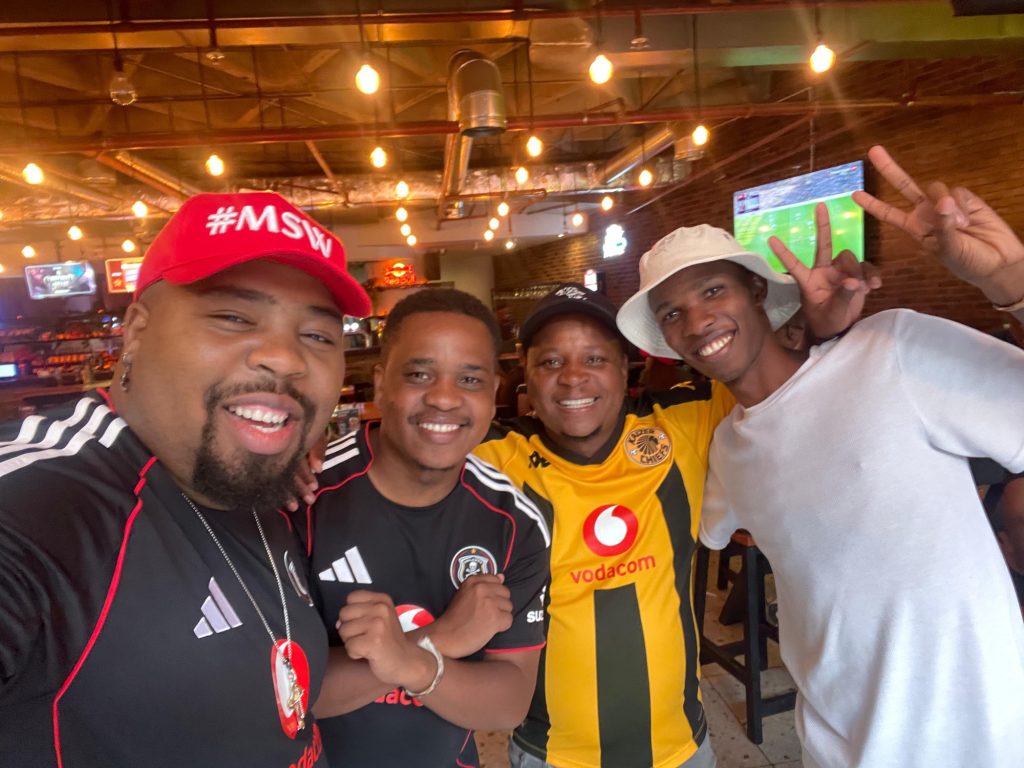
I watched the match at my nearest sports bar in Sandton Central. As a Kaizer Chiefs supporter, I quickly realised I was outnumbered by Orlando Pirates fans. Every Buccaneers attack shook the room. Every Amakhosi chance gave me — and the few in gold and black — reason to rise from our seats.
But here’s the twist: I did not choose Kaizer Chiefs.
Kaizer Chiefs chose me.
Or rather, my father did.
Growing up, my father would sit with his small radio pressed close to his ear, listening to live commentary of Chiefs matches. There was no big screen. No surround sound. Just static, passionate commentary and imagination. His reactions — the shouts, the celebrations, the frustration — painted the picture for me long before I ever stepped into a stadium.
That small radio built my loyalty.
And I know I am not alone.
Across South Africa, support for either Chiefs or Pirates is often inherited. Passed down like a family heirloom. It is generational identity. Fathers, mothers, uncles and grandparents shape the allegiance of the next wave of supporters.
That emotional inheritance is what makes the Soweto Derby different. It is not just a fixture; it is family history.
From Radio to Restaurant Economy
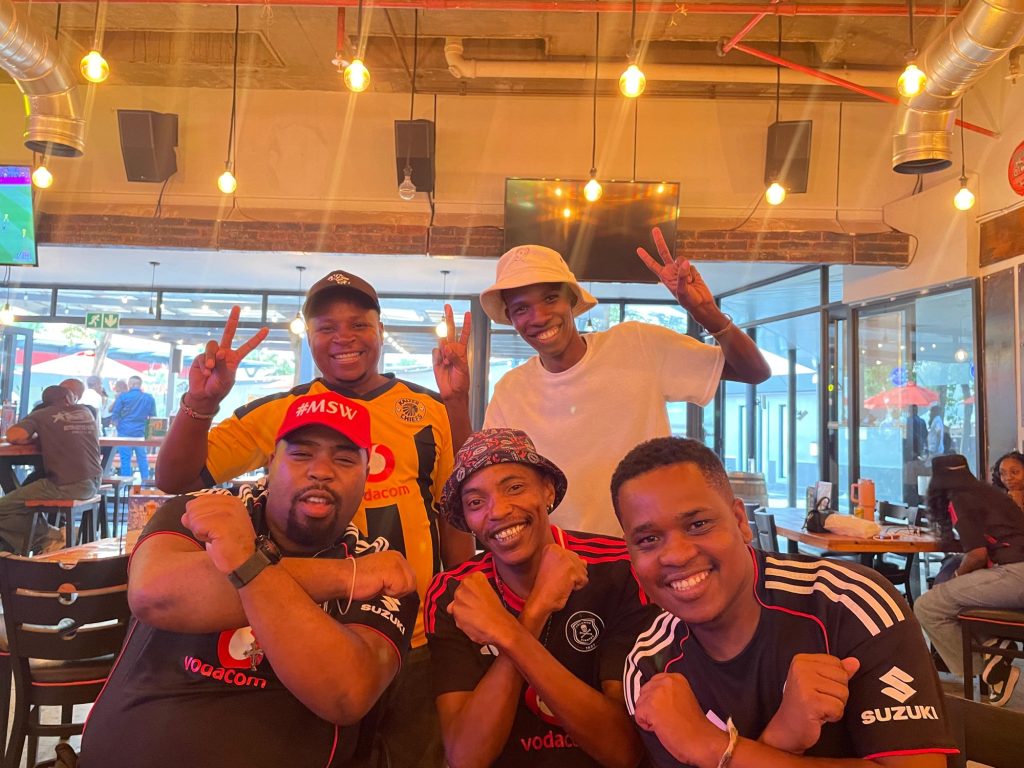
What struck me at the sports bar was what happened after the final whistle. Despite the rivalry, despite the noise and the tension, we shared a beer. Conversations replaced chants. Banter replaced shouting.
Strangers became temporary brothers in football.
For hospitality businesses, this is where opportunity lives.
The derby is not only about broadcasting a match — it is about hosting memories.
What Restaurants and Sports Bars Can Do Better
For local establishments — whether in Sandton, Soweto or small-town village hubs — the derby offers lessons:
1. Celebrate the Generational Story
Why not create a “Father & Son” or “Family Table” derby special? Encourage families to attend together. Football loyalty is inherited — market it that way.
2. Create Memory Corners
A small photo booth with team props. A board where patrons can write, “I became a Chiefs/Pirates fan because…” This turns customers into storytellers.
3. Package the Rivalry Safely
Friendly rivalry must be protected. Clear house rules, balanced seating areas and professional security ensure the passion remains respectful.
4. Extend the Experience
Post-match discussions, live DJs or analyst-style breakdowns can keep patrons longer — and increase revenue per table.
5. Build Community, Not Just Sales
Capture contacts, start a supporters’ club database and reward loyal customers during big fixtures.
The National Tourism Impact
Even though the derby takes place in Gauteng, its economic footprint spreads nationwide. Supporters travel across provinces. Transport companies operate at capacity. Hotels fill up. Merchandise sells across the country.
Media coverage markets South African football beyond our borders, reinforcing the country’s reputation as a sporting destination.
But perhaps the greatest contribution is social tourism — movement driven by emotion. People travel because of belonging. Because of inherited loyalty. Because their father once listened to a small radio and made them believe.
Beyond the Final Whistle
As I sat there in Sandton, surrounded by rival supporters, I realised that my loyalty is rooted in memory, not just performance.
And I am certain many others share similar stories.
Some of you became Pirates supporters because of an older sibling. Some chose Chiefs because of a neighbourhood hero. Others rebelled and picked the opposite of their parents.
So here is the real question beyond goals and tactics:
How did you become a supporter of your derby team?
Because behind every jersey is a story. And behind every story is an opportunity — not just for football, but for businesses wise enough to understand the power of inherited passion.