
I come from a village where walking is not a fitness trend — it’s a lifestyle.
Where the landscape is not a weekend escape — it is home.
Where the mountains are not Instagram backdrops — they are directions.
And yet, when it comes to adventure and outdoor brands like The North Face, Columbia Sportswear, Cape Union Mart, K-Way or First Ascent — many of us in rural communities quietly assume:
“That’s not for us.”
Not always because of the price.
Not always because we can’t afford it.
But because of perception.
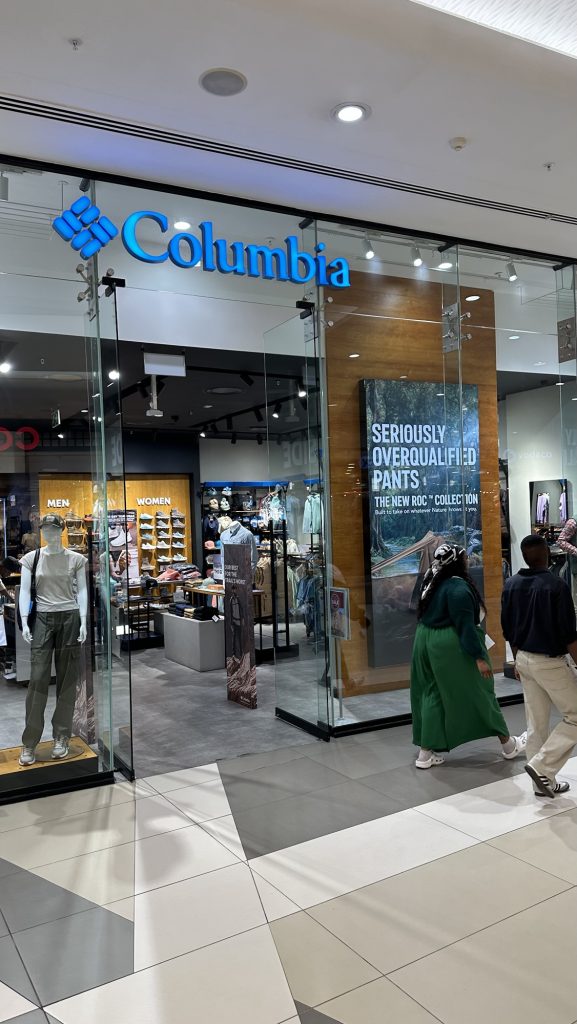
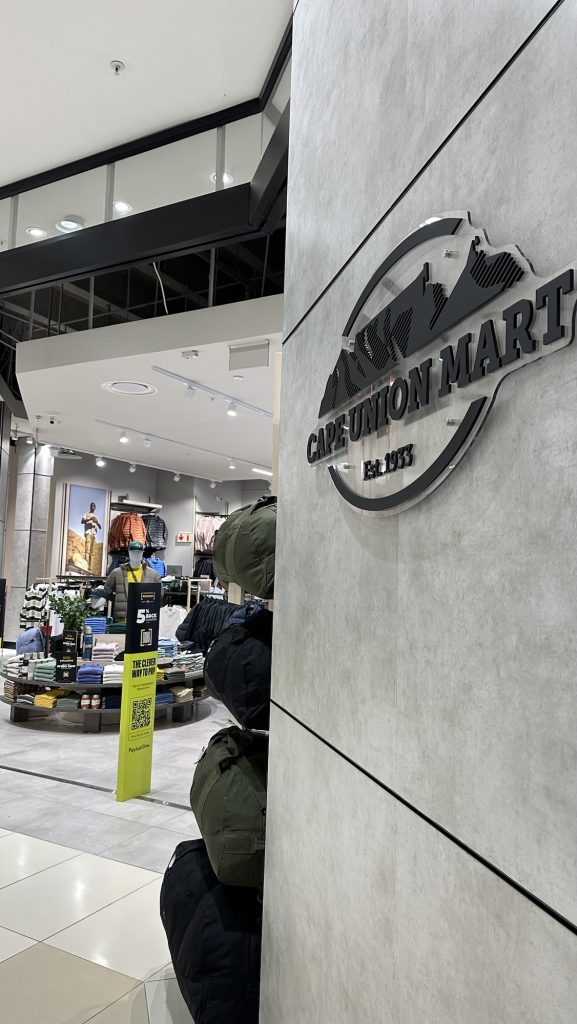
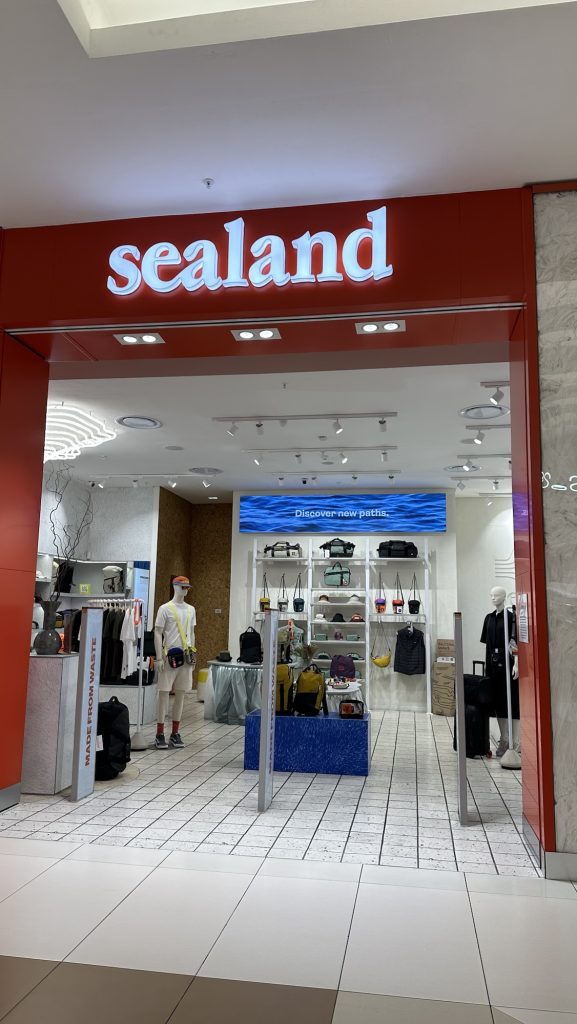
Sealand Gear – A Cape Town brand known for eco-friendly outdoor bags and apparel made from recycled materials.
The Image of the Outdoor Consumer
Outdoor brands often market themselves through images of travellers, hikers, safari-goers and weekend adventurers. The people in the advertisements are usually visiting nature, not living in it.
Stores selling hiking boots, technical jackets and backpacks are also often located in lifestyle centres and tourism towns. In places like Hoedspruit — a gateway to the Greater Kruger region — these shops naturally attract tourists and safari travellers.
But something interesting happens psychologically.
When someone from a nearby village walks past an outdoor shop, the assumption is often:
“That gear is for tourists.”
Or
“That is for people climbing mountains.”
The reality is that these stores sell products designed for durability, weather protection and long-distance walking — exactly the kind of conditions many rural people experience daily. Cape Union Mart, for example, has been equipping outdoor explorers in Southern Africa since 1933 and stocks hiking gear, travel apparel and equipment built for rugged environments.
In many ways, the rural consumer already lives the lifestyle these brands are designed for.
The Real Barrier: Psychological Positioning
In villages, clothing often carries social meaning.
If someone wears a technical outdoor jacket, people might ask jokingly:
“Are you going to climb a mountain?”
It becomes a symbol of status, travel or tourism rather than practicality.
But the truth is that many rural people already need:
durable footwear for walking long distances jackets that handle wind and rain backpacks for carrying goods or travel clothing that lasts longer than fast fashion
When you look at it this way, the rural consumer may actually be closer to the functional target market than the leisure traveller.
The difference is not usage.
The difference is perception.
What Makes Someone Finally Walk Into the Store?
From my own perspective as someone from the village who travels through tourism towns like Hoedspruit, the buying decision often changes when three things happen.
First, exposure.
Once you see the gear up close, you realise it is not just fashion. It is equipment.
Second, durability.
Many outdoor brands are built to last years rather than months. In communities where buying power matters, longevity becomes more important than the initial price.
Third, relatability.
When outdoor stories include African landscapes, rural hikers and local travellers — not just international adventurers — people begin to see themselves in the brand.
A Missed Opportunity for Outdoor Retailers
For outdoor retailers operating around Hoedspruit, there is a powerful but often overlooked market right next door.
Villages across the Bushbuckridge and Maruleng regions are full of people who:
walk outdoors every day work in tourism guide visitors through natural landscapes hike mountains like Mariepskop travel between rural towns and nature reserves
These communities are not outsiders to outdoor life.
They are part of the ecosystem that supports tourism in the Greater Kruger region.
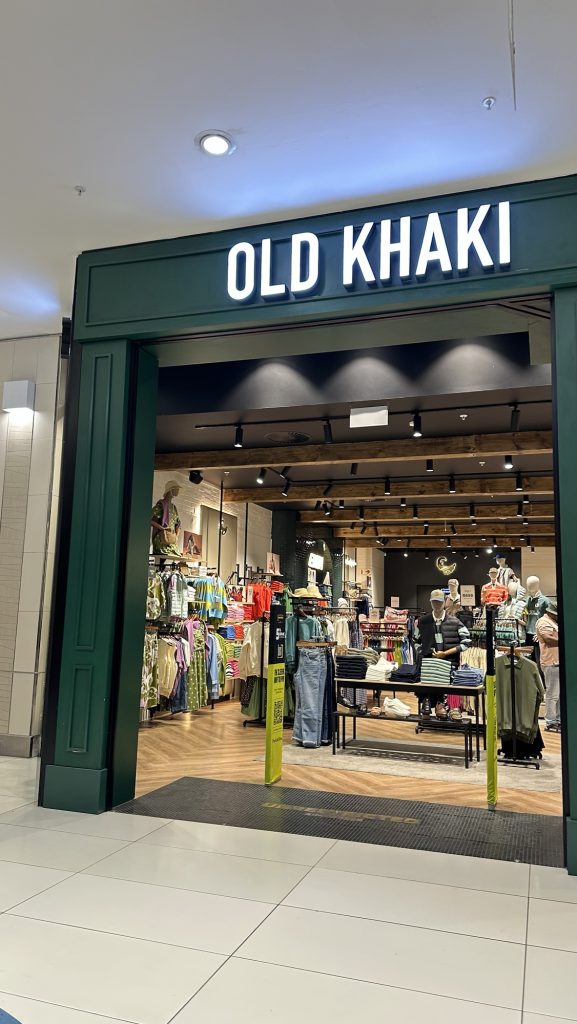
Old Khaki was launched in 1999 and is part of the Cape Union Mart Group, the same retail group behind outdoor brands like K‑Way and lifestyle brands like Poetry.
Why This Matters for Beyond Kruger
Beyond Kruger Magazine exists to tell the stories of the communities that live alongside one of the most famous conservation landscapes in the world.
Those communities are not just observers of tourism — they are participants in it.
For outdoor retailers and adventure brands operating around Hoedspruit, this presents an opportunity.
Not just to sell products, but to build relationships.
Opportunities could include:
sponsoring local hiking initiatives partnering with community tourism projects supporting outdoor storytelling and local explorers advertising in platforms that speak directly to rural audiences
Because the next generation of outdoor enthusiasts in the Greater Kruger region will not only be tourists.
They will also be the young people who grew up walking these landscapes.
A Shift in Perspective
Perhaps the conversation should no longer be:
“Can rural consumers afford outdoor brands?”
The better question might be:
“How can outdoor brands better include the communities who already live the outdoor lifestyle?”
Because the truth is simple.
The village was always the outdoor market.
It just hasn’t been invited into the story yet.